
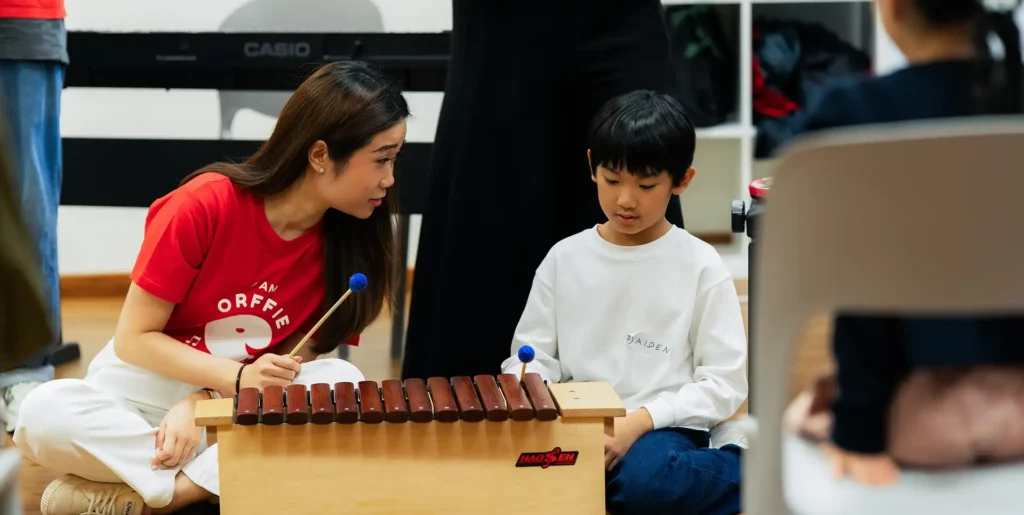
How to Make Piano Lessons Fun for Your Child

Young child smiling while playing the piano during a lesson in Singapore

Your child was thrilled at the first lesson. By week eight, you’re negotiating at the piano like it’s a maths assignment.

If that sounds familiar, you’re not alone, and it doesn’t mean your child isn’t musical. It usually means something in the setup is off: the practice, the music, the pressure, or the lesson format.

Here’s how to make piano lessons fun again, or keep them fun from the start. These are practical changes you can try this week, written for Singapore families juggling school, enrichment and tight schedules.

Why Piano Lessons Stop Feeling Fun

Motivation rarely vanishes for no reason. It tends to drain away for one of four reasons:

– Practice feels like a chore with no end point

– The pieces are too hard, or too boring

– There’s pressure: exams, comparison, or a parent hovering

– The lesson style doesn’t match the child’s age

Fix the cause and enjoyment usually follows. Let’s start with the one most parents overlook.

Start With the Right Format for Your Child’s Age

A three-year-old and a nine-year-old need completely different lessons. Putting a very young child into formal, note-reading piano too soon is a common reason for early frustration.

Younger children learn best through singing, movement, rhythm games and simple instruments before they ever sit at a keyboard. That’s the thinking behind play-based, Orff-inspired programmes. A rough progression looks like this:

– Toddlers (about 18 months to 3): music with a parent, built around rhythm, songs and movement

– Preschoolers (3 to 4): singing, percussion and early listening skills

– Around age 4: a bridge to the keyboard, with simple hand positions and pattern games

– Ages 5 to 6: playing keyboard pieces with a teacher

– Age 6 and up: structured beginner piano, with reading and technique
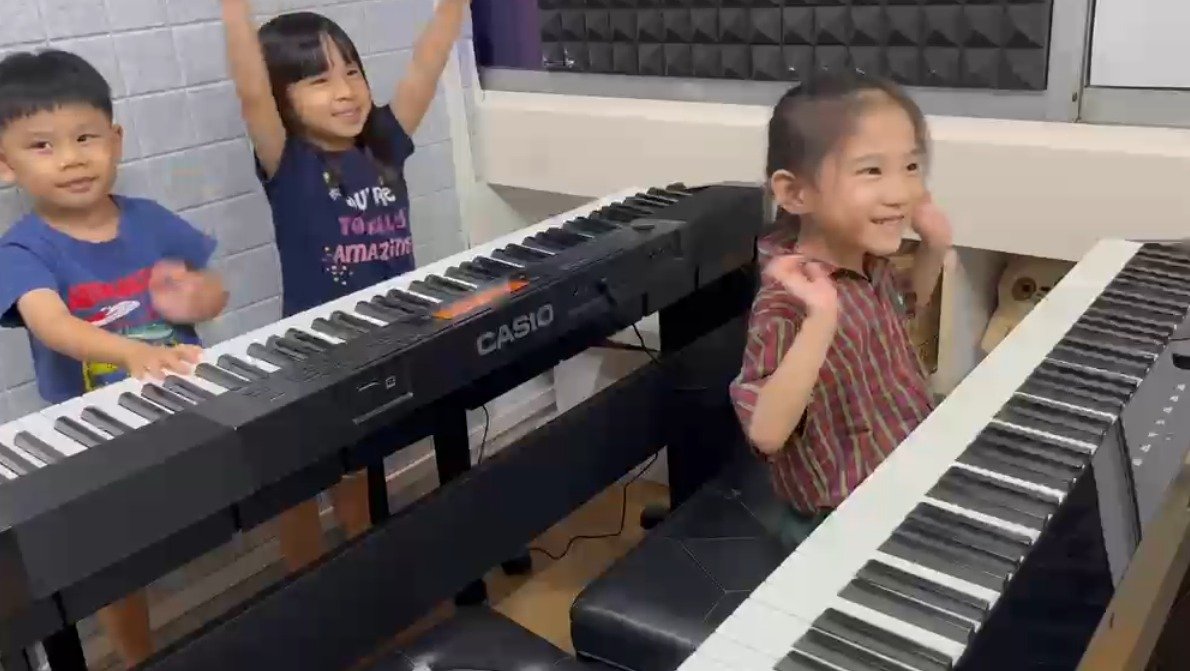
 

Orffie Pre Keyboard lessons

How to Make Piano Lessons Fun at Home

Most of a child’s progress, and most of their feelings about piano, are shaped by the other six days of the week. These habits do the heavy lifting.


Practise in Short Bursts

Twenty minutes of tears teaches nothing. For younger children, five to ten focused minutes is plenty. Two short sessions beat one long one, and finishing while your child still wants more is a good sign.


Attach Practice to Something Already Happening

Asking “have you practised?” at 9 pm never ends well. Pin practice to an existing routine instead: right after shower, or just before dinner. When it happens at the same time every day, you stop having to argue about it.


Let Your Child Choose Some of the Music

Children play more when the music is theirs. Ask the teacher whether one piece a week can be your child’s pick, whether that’s a favourite cartoon theme, a school song or a National Day tune. A good teacher can often arrange it at the right level.


Turn Drills Into Games

Repetition is how fingers learn, but repetition doesn’t have to feel repetitive. A few ideas:

– Soft toy audience: play the piece for teddy, then for the dinosaur, then for the toy that’s “hard to impress”

– Dice rhythms: roll a die and clap or play that many beats

– Note card hunt: hide note flashcards around the room and play each one as it’s found

– Beat the clock: play a short passage as smoothly as possible three times in a row
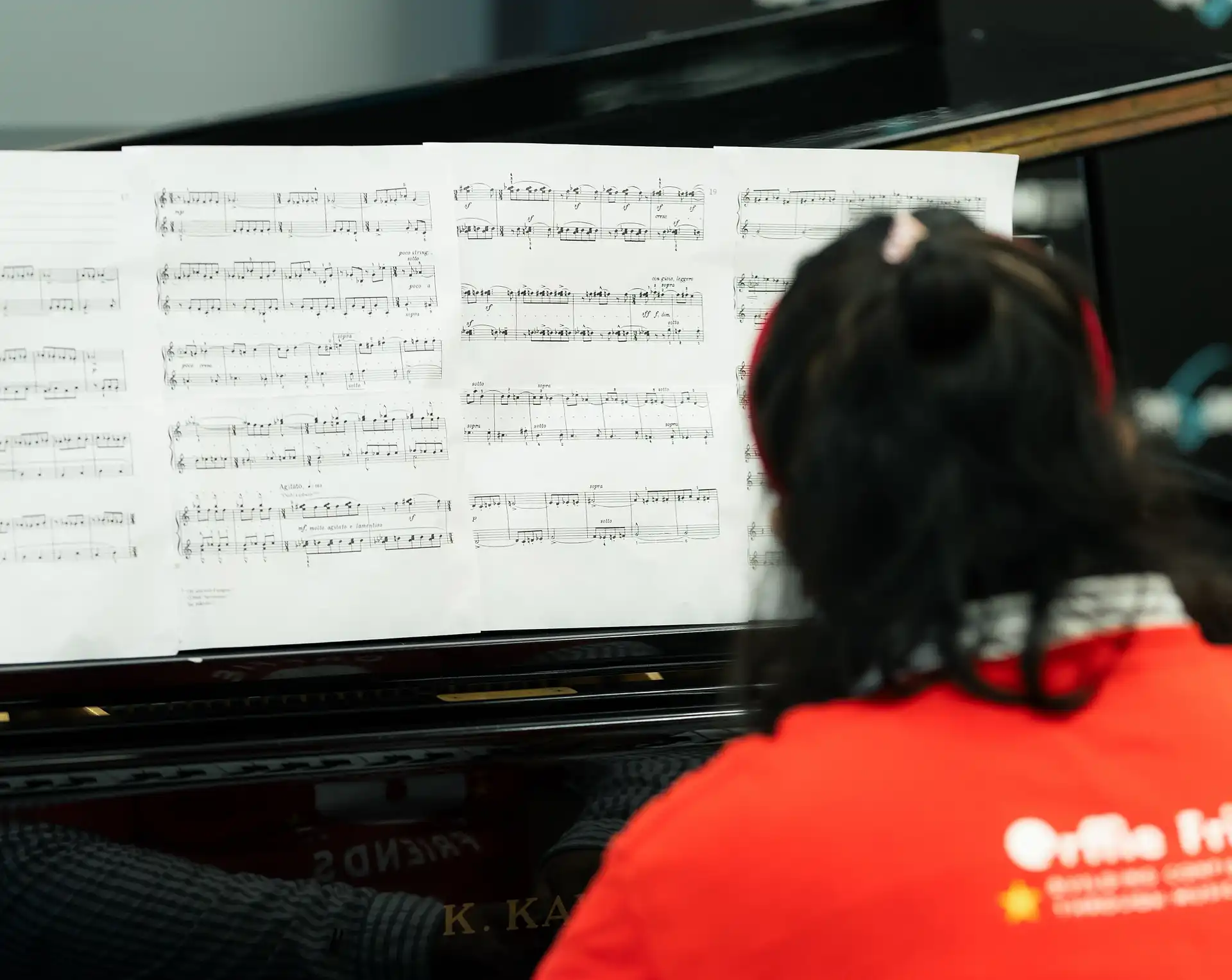
 

piano drills


Keep the Piano Easy to Reach

If the keyboard lives under a cover in a corner, it won’t get played. Leave it open, in a spot your child passes every day.

Worried about neighbours in an HDB flat? A digital piano with headphones solves it. Your child can play at any hour, and you get peace.
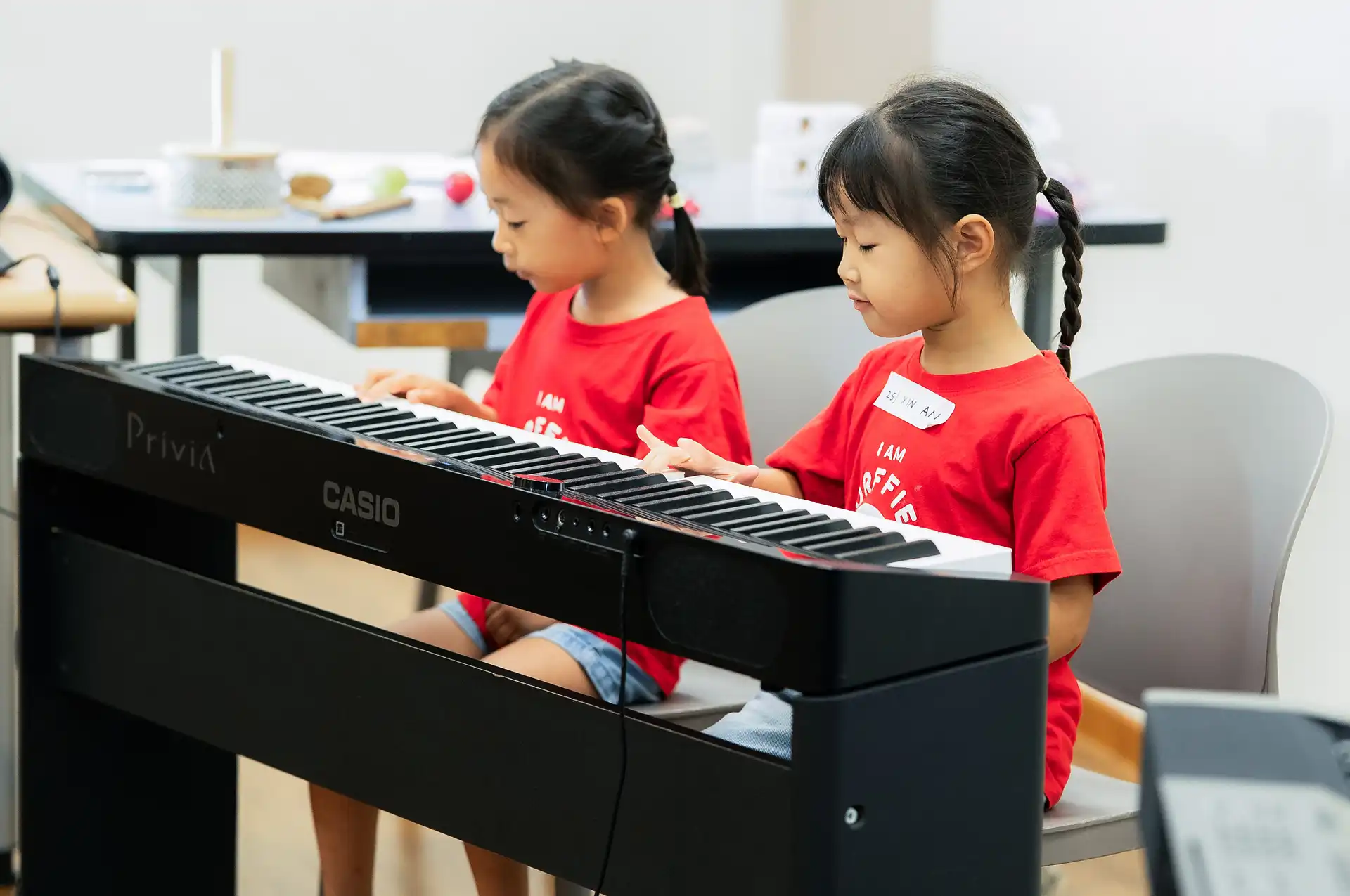
 

kids playing piano


Record and Replay

Film a short clip on your phone each week. A month later, your child can hear how much better they’ve become. For many kids, that proof is a stronger motivator than any sticker chart.

What Parents Can Do (and What to Skip)

You don’t need to read music to help. Your role is audience, not coach.

Do:

– Ask “Play me your favourite part” instead of “Did you practise?”

– Praise effort and specifics: “That left hand was steady this time”

– Tell the teacher early if practice is turning into a fight

Skip:

– Comparing your child with a cousin, classmate or sibling

– Using piano as a punishment or a reward

– Sitting next to them correcting every note

When a parent corrects constantly, practice becomes a performance review. Children tend to stop wanting to play when it feels that way.


Keep Exams in Perspective

Graded exams, such as ABRSM, are common in Singapore, and they can be a useful goal. They give structure and a sense of achievement.

But an exam should be a milestone, not the reason to play. If every piece is chosen for the syllabus and every session is exam drilling, enjoyment suffers. A balanced approach keeps some music in the week that has nothing to do with a test: pieces for fun, duets, or songs your child chooses.

Signs Something Needs to Change

Occasional grumbling is normal. These signs suggest it’s time to adjust the approach:

– Your child dreads lessons or cries before them

– They’ve been stuck on the same piece for weeks

– They only play when told to

– They say things like “I’m bad at piano”

Start by talking to the teacher about the pieces, the pace or the practice load. If the format itself doesn’t fit, such as a very young child in a formal lesson, a different style may help more than more effort.


Final Thoughts

Piano becomes fun when it’s age-appropriate, practised in short bursts, filled with music your child likes, and free from comparison. Pick one or two ideas from this list and try them for two weeks. Small changes usually show up quickly.

About Us

Gail’s Piano Studio offers music classes and piano lessons in Bukit Timah, helping children build musical skills, confidence and creativity.

contact Us

Book your trial class today.

Share: